
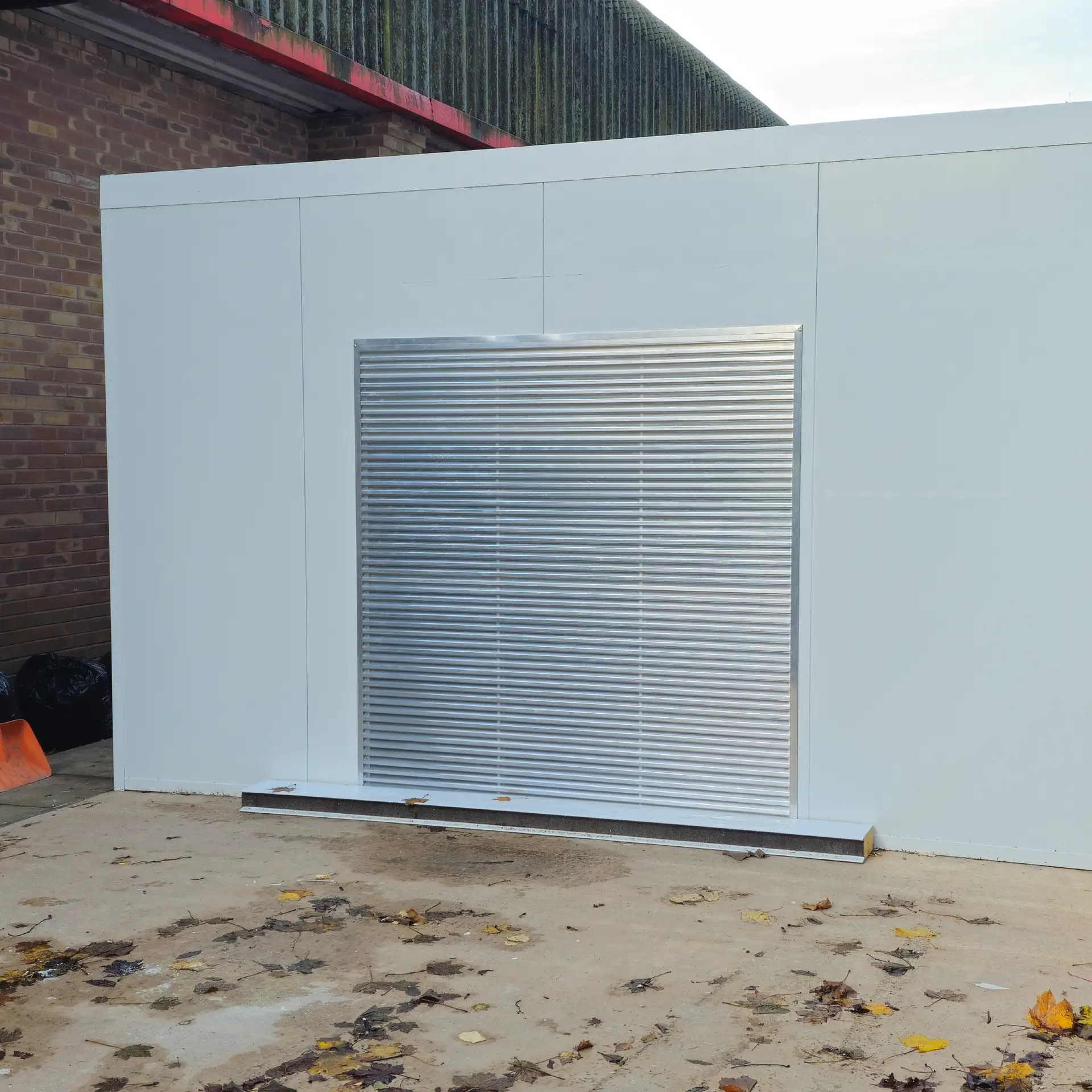
The Inner Workings of a Walk-In Cold Room: A Comprehensive Guide
Walk-in cold rooms are a staple in industries where preserving perishable goods is critical. From restaurants and supermarkets to pharmaceutical companies and florists, these refrigerated spaces ensure products remain fresh and safe. But how do these walk-in cold rooms work? Let’s delve into the mechanics and technology behind these vital structures.
Optimise Refrigeration Temperature Settings
One way you can save energy with refrigeration is to optimise the temperature settings. If your refrigeration equipment is set too low, it can cause additional strain on the equipment and lead to excess energy usage. Additionally, keeping the temperature unnecessarily cold can also lead to spoilage of products. By going through your equipment and optimising the temperature settings, you can ensure that your equipment is running as efficiently as possible.
Regular Equipment Maintenance
Just like with any piece of equipment, regular maintenance is crucial to maintaining efficiency. Every piece of refrigeration equipment requires regular cleaning and maintenance to ensure optimal performance. Failure to do so can lead to clogging and decreased efficiency, resulting in increased energy usage. Regular equipment maintenance can ensure that everything is running smoothly and that your energy bills remain low.
Replace Old and Inefficient Equipment
Old and outdated equipment is not only inefficient but also consumes a significant amount of energy. While the initial cost of upgrading your equipment may be high, it is important to consider the long-term savings. New equipment not only runs more efficiently but also comes with improved technology that can help reduce maintenance costs. Additionally, newer models are often more environmentally friendly, thus aligning with your sustainable business goals.
Use Eco-Friendly Refrigerants
Refrigeration equipment often uses refrigerants that contribute to greenhouse gas emissions and damage the ozone layer. To mitigate the environmental impact, consider using eco-friendly refrigerants instead. Eco-friendly refrigerants not only lower your carbon footprint but can also improve the energy efficiency of your equipment.
Consider Additional Energy-Saving Measures
Aside from the above measures, there are additional energy-saving measures that can improve the efficiency of your refrigeration system. Examples include upgrading your insulation, optimising ventilation, and using smart controls. Each of these measures can result in increased energy efficiency and significant cost savings over time.
Conclusion:
Improving the energy efficiency of your refrigeration system is an essential measure for any business owner looking to reduce costs and become more sustainable. By implementing simple practices such as optimising temperature settings and regular equipment maintenance, you can ensure that your equipment is running at peak efficiency. Additionally, eco-friendly refrigerants, upgrading old equipment, and using additional energy-saving measures can result in even more significant savings. As you’re looking to make your business more sustainable, taking steps to improve the energy efficiency of your refrigeration system is an excellent place to start.